
Learn without limits
Take the next step in your career with structured courses built by practitioners, delivered on your schedule.

Crisis Support
9 courses
Enrolling now
Open for registration — start with these.

Coming soon
Not yet open for registration — view any course and ask to be notified when it opens.
Crisis Support(8)
 Opening September 2026Licensed
Certified Stress Management, Crisis Support & Psychological Response
A foundational certification program designed to develop competent, confident, and ethically grounded individuals capable of providing immediate stress management strategies and psychological support during crises. The program combines theory, guided practice, and scenario-based learning to build practical skills in emotional stabilization, active listening, psychological first aid, and structured crisis response.
 Opening September 2026Licensed
Conflict Resolution in High-Stress Environments
Conflict is a natural feature of high-pressure environments. This course equips chaplains with evidence-based tools for mediating conflict, de-escalating tension, and restoring relational function within teams, families, and communities experiencing acute or chronic stress. Rooted in both professional and pastoral frameworks.
 Coming soonLicensed
Crisis Communication
Effective communication is the cornerstone of crisis support. This course develops participants' ability to communicate clearly, compassionately, and professionally during and after critical incidents. Topics include active listening, trauma-informed messaging, communicating with distressed individuals, and coordinating information in high-pressure environments.
 Opening September 2026Licensed
Crisis Management in Institutional Environments
This course addresses the specific demands of crisis management within institutional settings including correctional facilities, hospitals, schools, and residential care environments. Participants will learn to navigate security protocols, institutional culture, and multi-agency coordination while delivering chaplaincy support during critical incidents.
 Opening September 2026Licensed
Critical Incident Stress Management (CISM)
Critical Incident Stress Management (CISM) is a structured, multi-component approach to mitigating the psychological impact of critical incidents on individuals and teams. This course provides chaplains with the knowledge and tools to support CISM processes including defusings, debriefings, and individual crisis interventions in line with international best practice.
 Opening September 2026Licensed
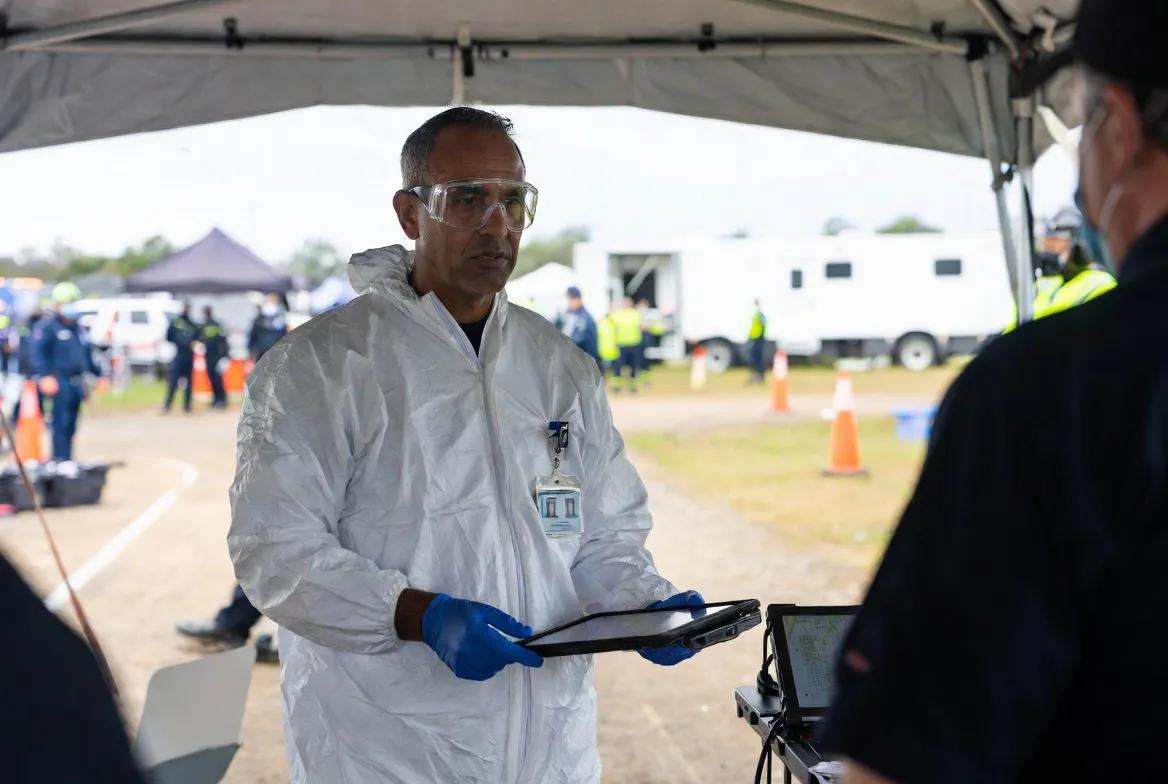
Disaster Victim Identification & Mass Fatality Incident Management
This specialised course prepares chaplains for the unique challenges of supporting families, communities, and responders during mass fatality incidents. Topics include the victim identification process, the role of chaplaincy in mortuary and family reception environments, cultural and religious considerations, and self-care for personnel in prolonged exposure settings.
 Opening September 2026Licensed
Support that Saves: Building and Sustaining Peer Support
Peer support programmes are among the most effective interventions for building resilience and reducing psychological harm in high-stress occupations. This course equips chaplains to establish, lead, and sustain peer support programmes within emergency services, military units, healthcare teams, and community organisations.
 Opening September 2026Licensed
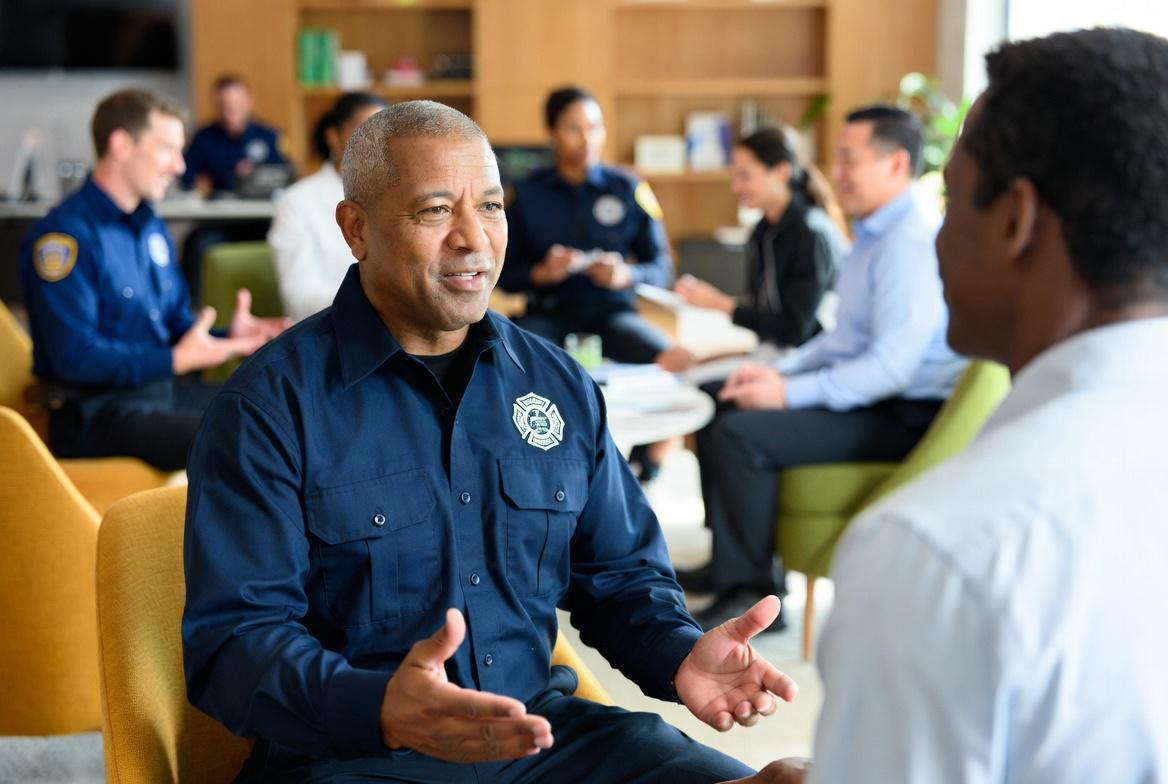
Wellness and Resiliency Support for First Responders
First responders face cumulative trauma exposure that can erode psychological wellbeing over time. This course equips chaplains to deliver targeted wellness and resiliency interventions for police, fire, EMS, and other emergency personnel, addressing compassion fatigue, occupational stress, and the cultural barriers that prevent help-seeking.